Nous sommes à votre disposition pour répondre à vos questions et accompagner vos projets de construction.

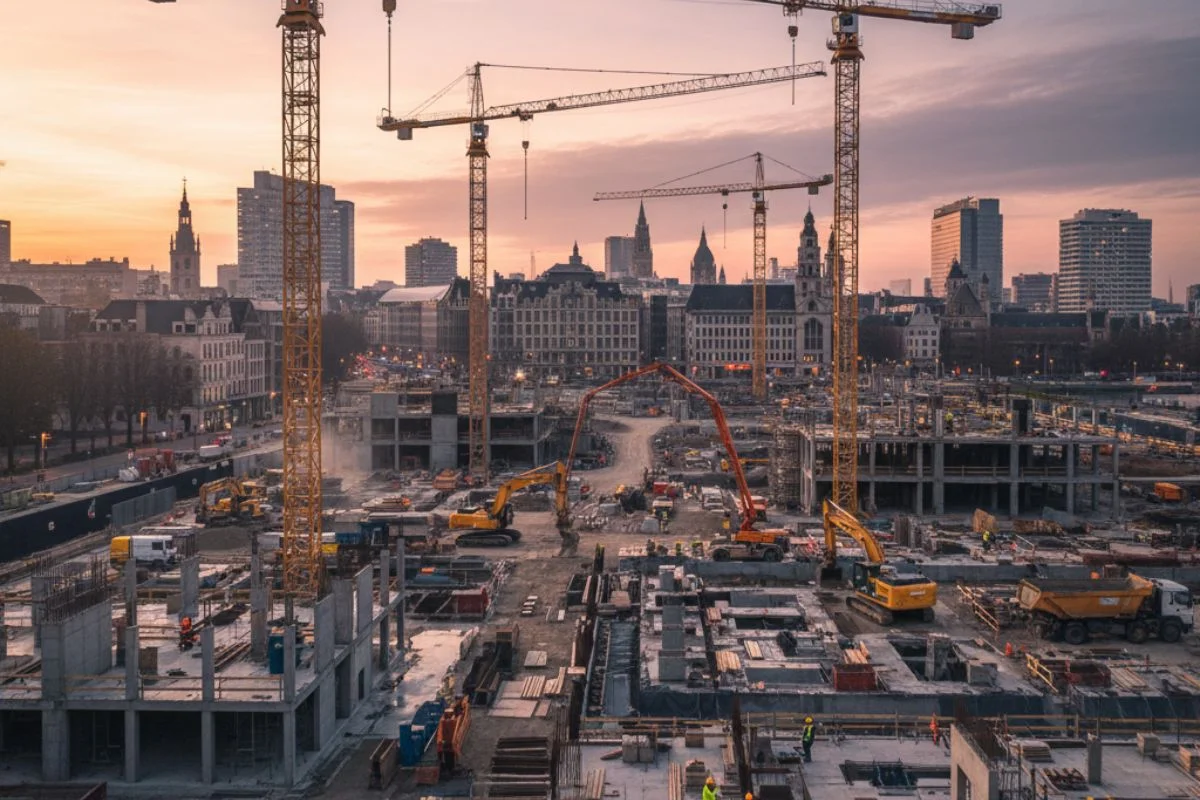
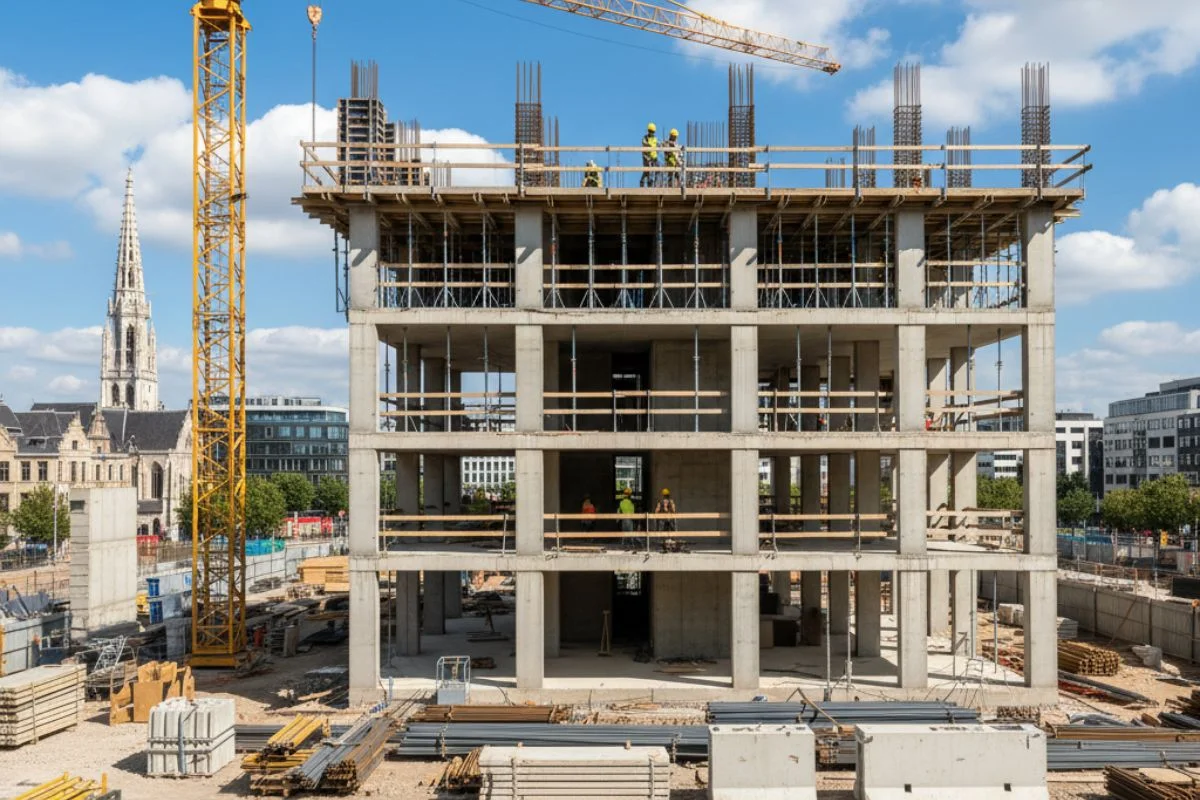
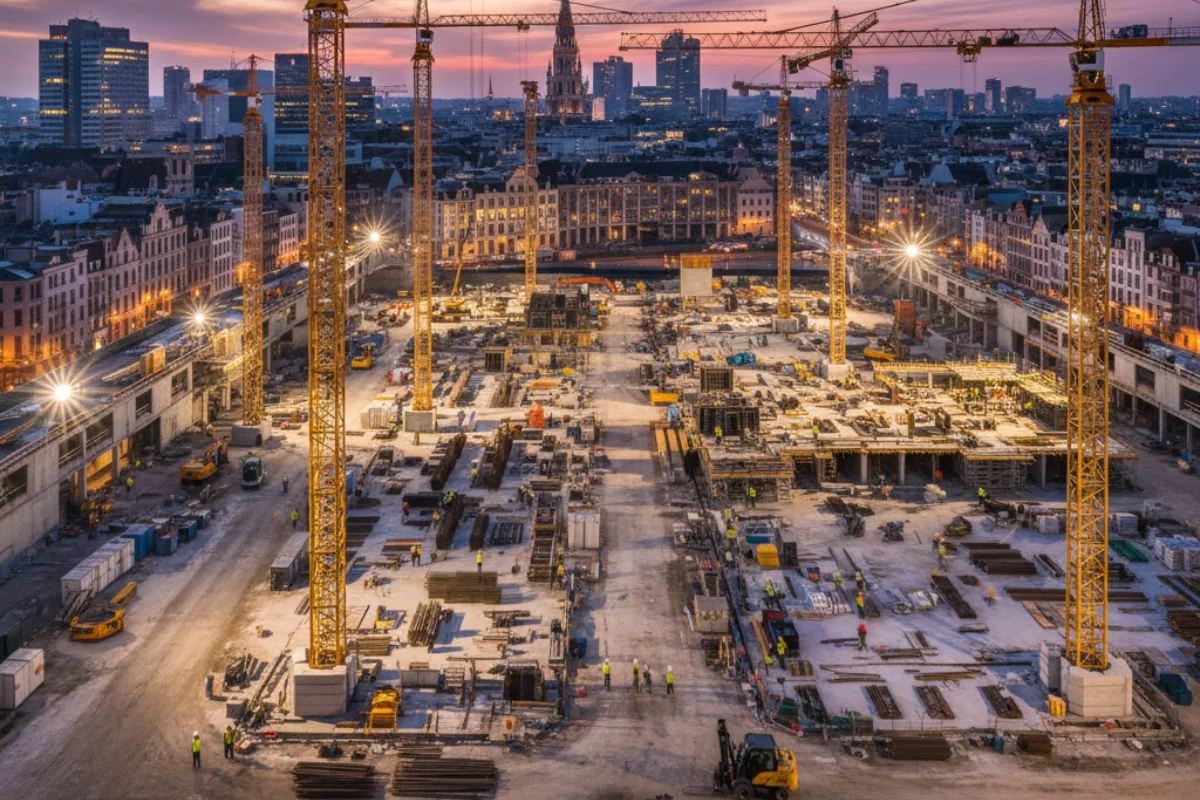
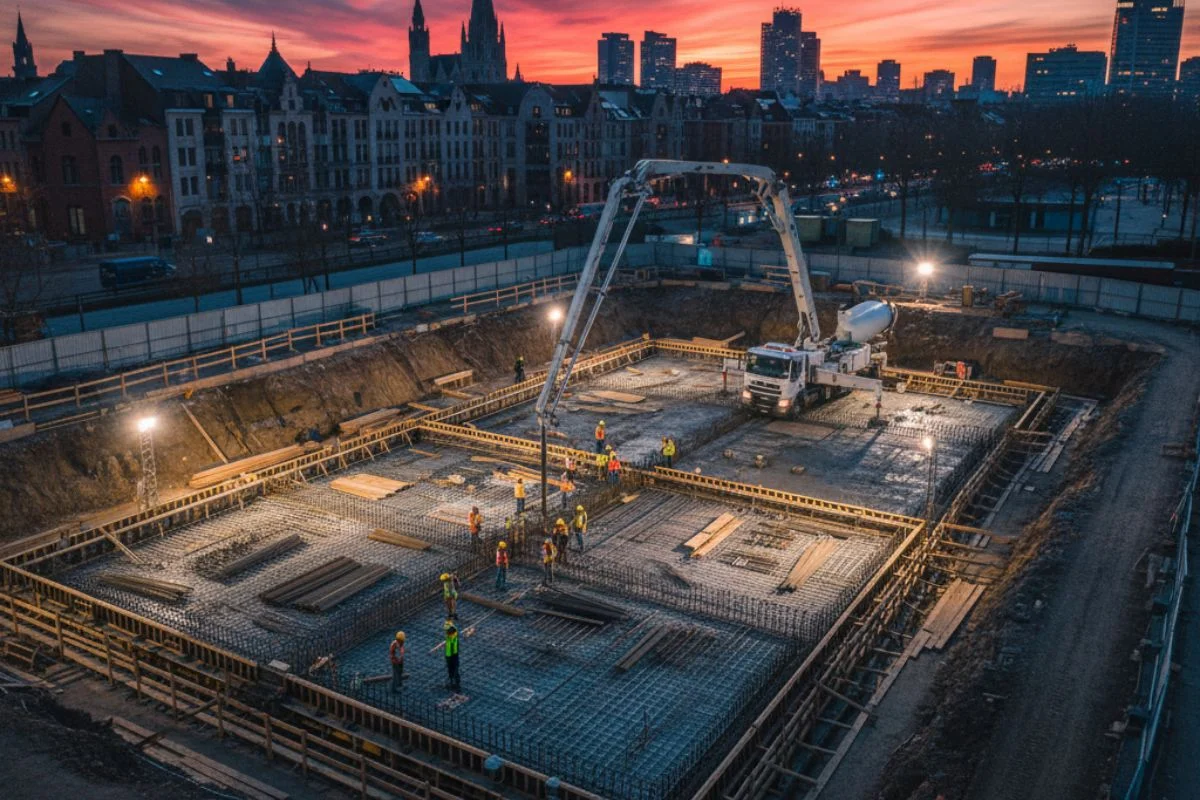
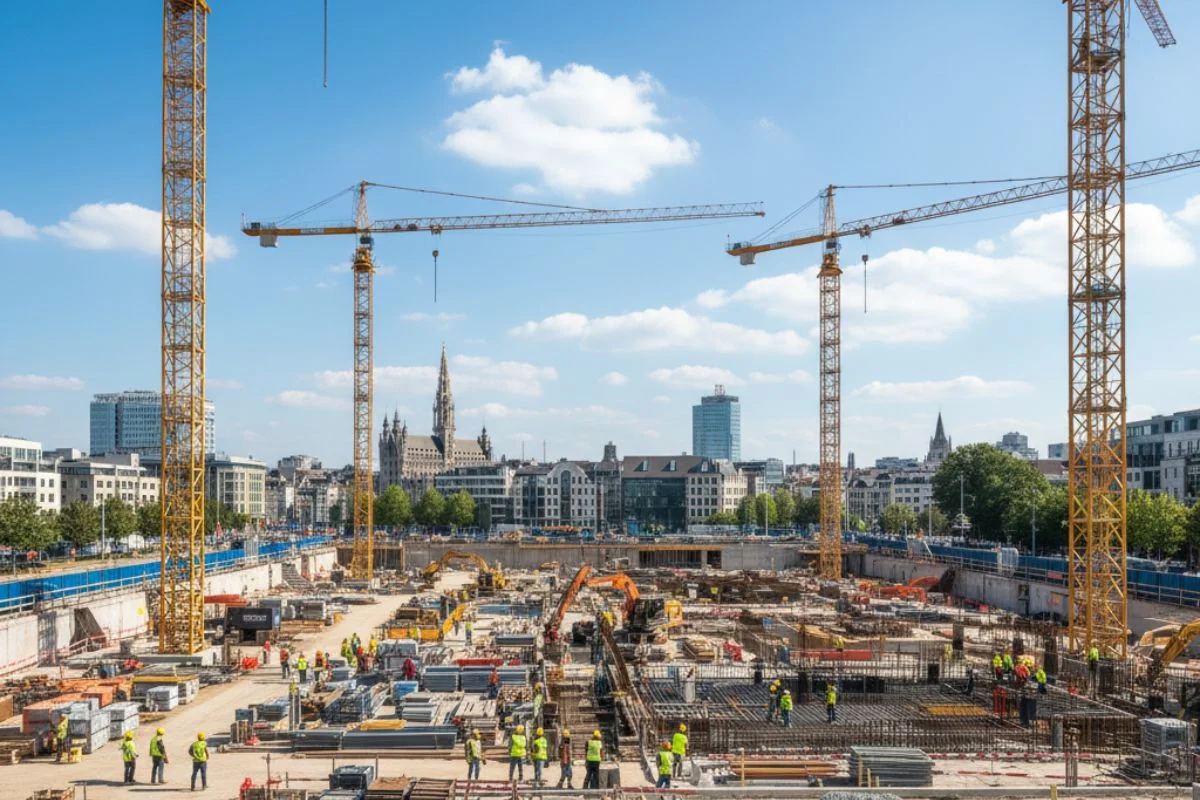
The success of a construction project relies above all on rigorous planning. In Brussels, where urban, administrative, and logistical constraints are numerous, clear and structured planning helps avoid delays, cost overruns, and administrative bottlenecks. It constitutes the backbone of the project, around which resources, teams, authorizations, and execution phases are organized.
Planning is not limited to a simple schedule. It is a strategic process that aims to anticipate every stage of the construction site, coordinate the various stakeholders, and align technical, financial, and regulatory objectives.


Brussels presents a unique framework for construction projects. Between CoBAT regulations, road management, protected zones, and the entanglement of underground networks, every construction site must be planned with extreme precision.
“Well-thought-out planning is the ability to transform an idea on a blueprint into a smooth, controlled construction site delivered on time.”
Our experts are at your disposal to answer all your questions regarding your construction projects.
We monitor every step to ensure compliance and minimize risks related to authorizations.
Our experience guarantees efficient and rapid management of authorizations, optimizing your time and resources.
Good planning is essential to ensure the success of a construction project
Clarification of the program, technical constraints, budget, and expected deadlines. This phase lays the foundation for the specifications.
Breakdown of the project into successive phases (studies, authorizations, preparatory work, structural work, finishes, etc.) with clear deadlines and control milestones.
Identification of factors that could impact the schedule (weather, administrative delays, material shortages, etc.) and implementation of alternative solutions.
Assignment of responsibilities to each actor (client, contractors, safety coordinator, design offices, etc.) and synchronization of their interventions.
The schedule must evolve according to the realities of the site: it is therefore essential to implement monitoring tools to adjust deadlines, avoid deviations, and prioritize critical tasks.
To ensure effective and collaborative planning, several professional tools can be used

To visualize the sequence of tasks and their dependencies
To identify critical tasks and estimate deadlines probabilistically
Integrating the spatial and temporal dimensions of the project into a 3D model
for real-time collaborative monitoring between all actors
Insufficient planning can lead to many detrimental consequences for a construction project. Among the most common are delivery delays and budget overruns, often due to a lack of anticipation. A lack of coordination can also lead to permit refusals or postponements by the competent authorities.
Furthermore, poor management of access or phasing can lead to significant logistical difficulties. This lack of organization can foster conflicts between subcontractors, harm overall productivity, and ultimately damage the project’s image with both partners and the neighborhood.
+32 2 447 33 24
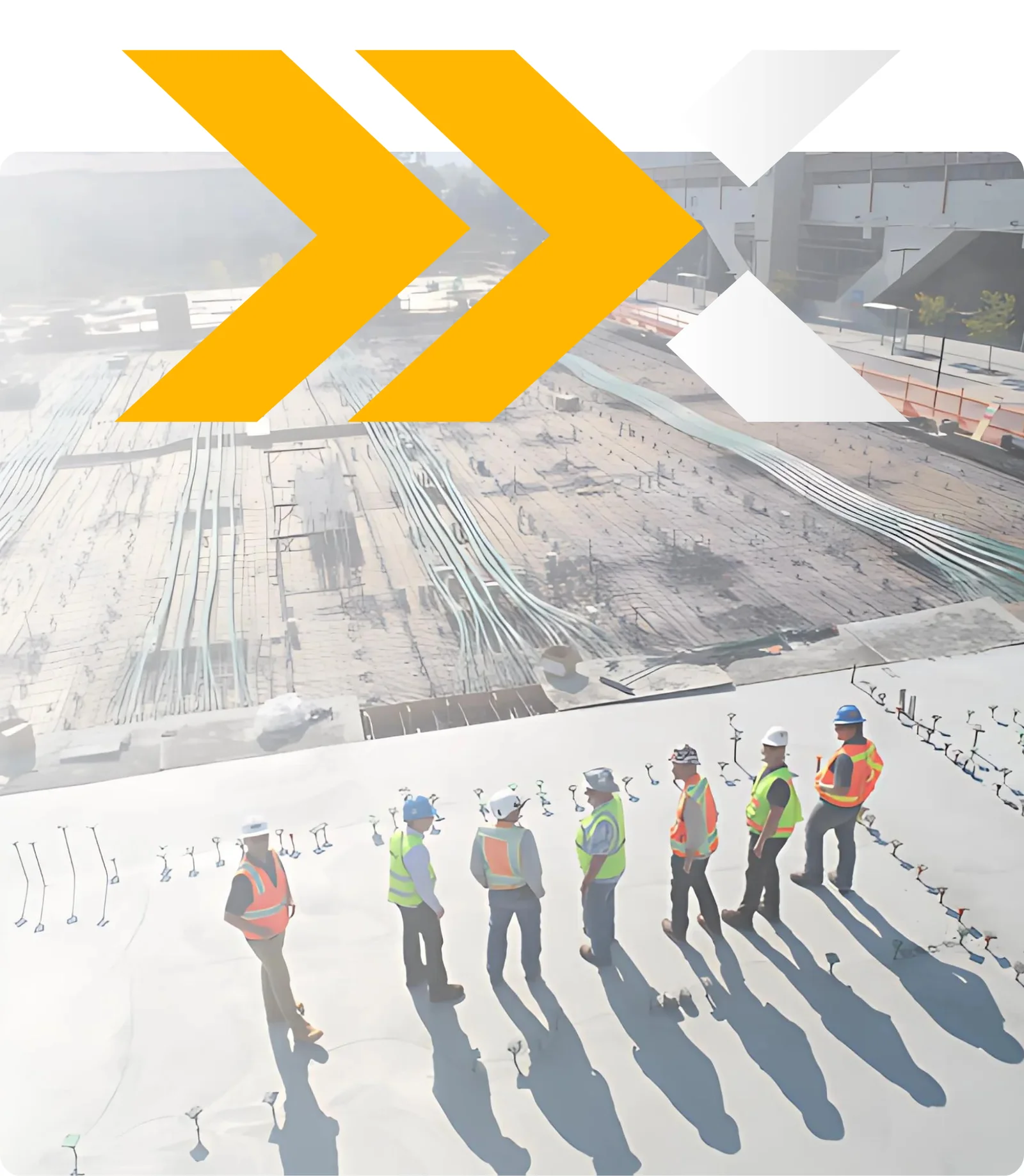
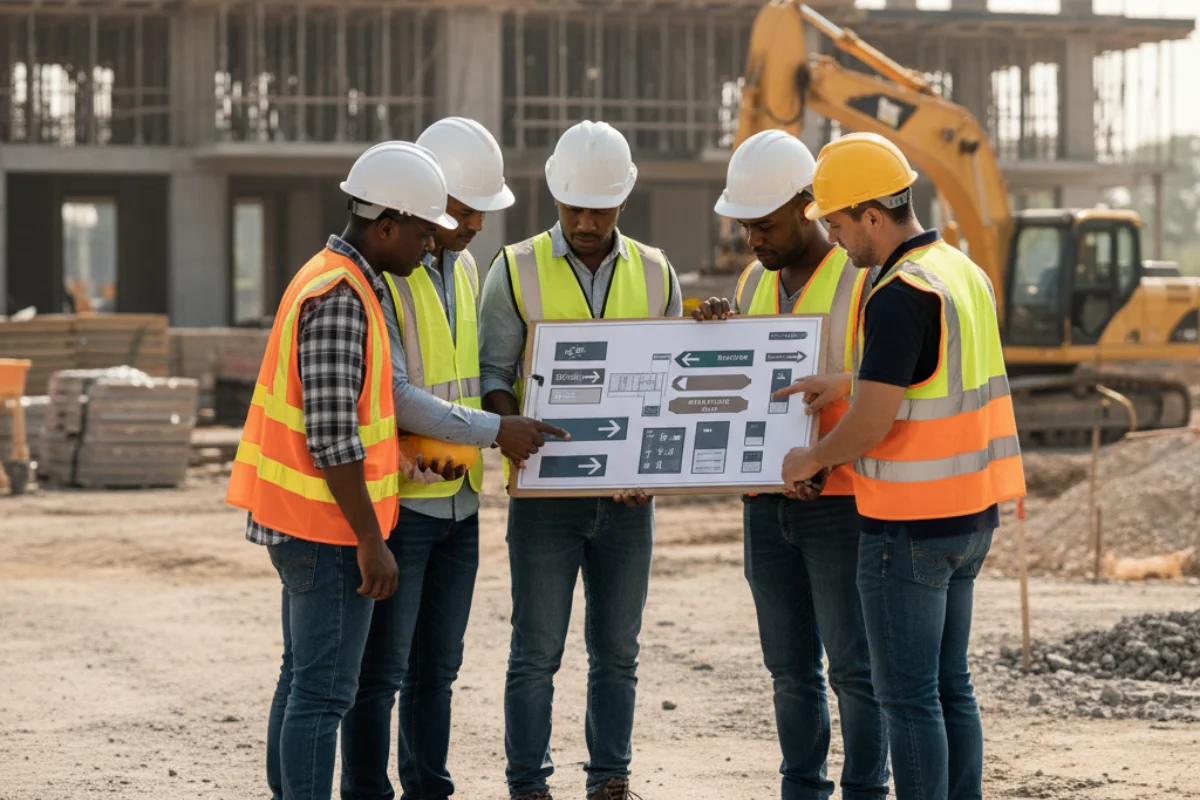


Project planning in Brussels must imperatively take mandatory administrative procedures into account.


Since May 2024, municipalities also require that schedules include impacts on active mobility and limited access zones (ZAL/ZAR).
For efficient and rapid construction authorizations, trust the expertise of Jeox Solutions. Contact us today.


Votre point de contact unique entre les gestionnaires de voiries, les gestionnaires de réseaux et les entrepreneurs.